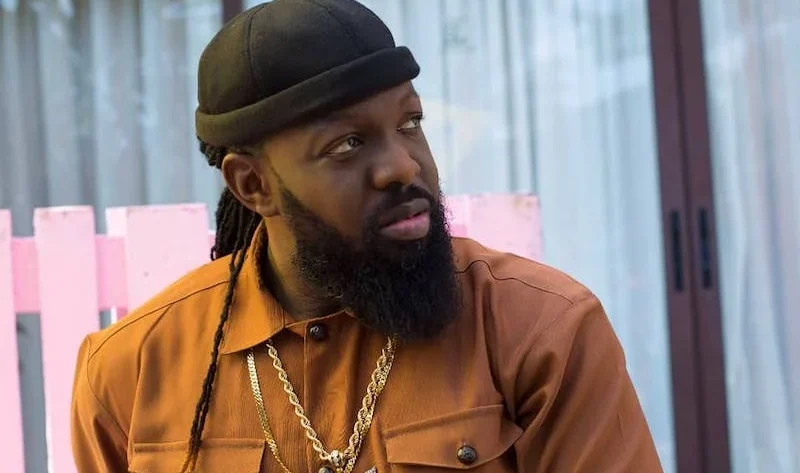
Nigerian music sensation, Timaya, has voiced his deep concern over the harsh economic realities gripping the country. In a heartfelt interview with Channels Television, the singer expressed his empathy for the millions of Nigerians struggling to make ends meet, noting that the situation is difficult for him as well.
“Nigerians Are Not Happy, And I Feel It Too”
Timaya, renowned for hits like Dem Mama and Cold Outside, shared how the economic downturn has affected not just the average citizen but also those who are relatively better off. “Things are really hard. I feel it for people because if people are not happy, I can’t be happy, too. I pay bills. I help a lot of people, so I understand what people are going through. I’m also feeling it,” he lamented.
He expressed his frustration with how the country’s soaring inflation, rising costs of living, and economic instability have impacted the lives of everyday Nigerians. The musician himself is not exempt from these struggles, citing his own responsibilities towards his staff and family.
The Impact of Inflation on Daily Life
Timaya highlighted how much more difficult it has become to provide for his family and support those around him. “If I was paying so and so for my staff and upkeep for my mum before, now upkeep is high, everything is higher. Things have drastically increased because of the high cost of living,” he explained.
The drastic rise in living costs has placed immense pressure on individuals, families, and businesses across the country. The singer pointed out that the situation is so bad that even politicians, who are often perceived to be insulated from economic challenges, are feeling the pinch.
“You don’t expect things to be normal. Even politicians are crying, too, not to talk of me. Do you understand what I’m saying?” Timaya said, emphasizing that the current economic challenges are affecting everyone, regardless of their financial standing.
Surviving Through Dollar Income – A Harsh Reality
Timaya noted that those earning in foreign currencies such as dollars are better positioned to cope with the economic crisis. “The only way you can meet up with the standing is if you’re earning in dollars. If you’re earning forex and you convert it to naira, that’s how you can ball,” he added. This harsh reality underscores how difficult it has become for Nigerians who rely solely on naira-based incomes to navigate the economic turmoil.
Nigeria vs. The World: “Nigeria is Harder”
While acknowledging that the economic crisis is a global issue, Timaya made it clear that Nigeria’s situation is far more severe. “Even in America right now, things are still hard there. I’m not going to lie to you because it’s still the same conversion, but they’re earning in dollars and spending in dollars. It’s hard everywhere in the world. The world is hard right now, but Nigeria is harder,” he asserted.
His comments reflect the ongoing debate about the depth of Nigeria’s economic crisis, which has been exacerbated by a weakened naira, high inflation, and widespread poverty. The disconnect between wages and living costs has left millions of Nigerians struggling to survive.
The Ripple Effect on the Music Industry
Timaya also shed light on how the economic situation has affected the Nigerian music industry. According to the artist, the cost of producing and promoting music has skyrocketed. “Currently, you need a lot of money to promote music. Before, we didn’t even bother about shooting music videos. Even if we were shooting a video, it would cost just 1.5 million naira. Now, just to shoot one video: 100 million, 50 million, 60 million. And when you shoot the video, to promote it, you need more millions.”
The surge in costs has driven up the booking fees for artists, making it difficult for promoters and smaller artists to keep up. The financial strain on the industry has further compounded the difficulties faced by musicians, as they have to invest significantly more to remain competitive.
Conclusion: A Call for Change
Timaya’s candid remarks highlight the growing economic challenges that Nigerians face daily. The financial strain is felt across all sectors, from everyday households to industries like music. His empathy for the Nigerian people, coupled with his firsthand experience of the crisis, underscores the urgent need for economic reform and relief.
As Nigeria continues to grapple with its economic challenges, the question remains: how much longer can the people endure?