Long before high-tech machines, anesthesia monitors, or even antibiotics, one Black doctor did the unthinkable—he opened a man’s chest and stitched up his beating heart. No modern tools. No backup plan. Just his bare hands, brilliance, and courage.

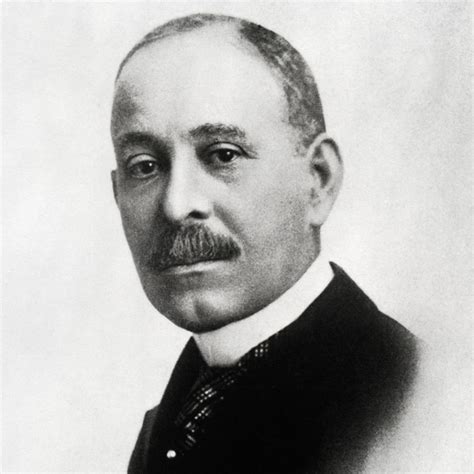
This is the true story of Dr. Daniel Hale Williams, the Black pioneer who performed the world’s first successful open-heart surgery in 1893. But it’s not just a medical milestone—it’s a story of resilience, boldness, and building against the odds.
Because when the system locked him out, he made his own way in—and changed medical history forever.
The Boy Who Refused to Be Held Back
Daniel was born in 1856 in Hollidaysburg, Pennsylvania. Back then, being Black in America came with a weight that shaped every part of your life. Slavery had just ended, but racism still had a strong grip on everything—especially education, opportunities, and healthcare.
When Daniel was nine, he lost his father. It shook his world. The family was split up, and he moved from place to place, staying with different relatives. It wasn’t the kind of childhood that gave you room to dream big—but somehow, he still did.
He eventually started learning under a respected surgeon in Wisconsin. That step changed everything. He worked hard, learned fast, and earned a place at Chicago Medical College, where he graduated in 1883.
But being a Black man with a medical degree didn’t mean the doors magically opened. In fact, the real challenge started after graduation.
When the System Blocks You, Build Your Own
Hospitals didn’t want to hire Black doctors. Most medical organizations excluded them entirely. And patients, taught by a racist society, didn’t trust Black physicians.
So Daniel did something bold—he opened his own hospital.
In 1891, he founded Provident Hospital and Training School in Chicago. It was the first hospital in America that was open to both Black and white patients and also trained Black nurses.
That decision wasn’t just groundbreaking—it was necessary. For many Black patients, Provident was the only place they could receive quality care. And for aspiring Black medical professionals, it became a lifeline.
But the biggest moment of Dr. Williams’ career happened inside that very hospital just two years later.
The Surgery That Changed Everything
On July 10, 1893, a young Black man named James Cornish was rushed into Provident Hospital. He’d been stabbed in the chest during a fight and was barely holding on. His breathing was shallow. His chest was filling with fluid. Most doctors would’ve said it was too risky to operate—and back then, they would’ve been right.
There were no X-rays, no antibiotics, no blood transfusions. Surgery on the heart was considered impossible. Even touching the heart was feared by most doctors.
But Dr. Daniel Hale Williams wasn’t like most doctors.
He assessed the wound, took a deep breath, and decided to try something no one had ever done before.
He carefully opened James’s chest, exposed the heart sac (called the pericardium), and saw the damage. Then, with slow precision, he stitched the tear. It was a bold, life-or-death move. If he failed, James would die on the table. But if he succeeded, it would change the game.
He succeeded.
James Cornish not only survived, but he also recovered fully and lived for years afterward.
And just like that, Dr. Daniel Hale Williams became the first surgeon in the world to perform a successful open-heart surgery.
He Didn’t Stop There
That surgery alone could have secured his legacy—but Dr. Williams was just getting started.
In 1895, fed up with how Black doctors were being shut out of white medical groups, he co-founded the National Medical Association, which still exists today. It gave Black medical professionals a platform, a voice, and a professional network that recognized their value.
He later served as Chief Surgeon at Freedmen’s Hospital in Washington, D.C., where he improved hospital standards, trained dozens of Black doctors, and mentored the next generation of changemakers in medicine.
Dr. Williams didn’t have to shout to make a difference. His work spoke for itself. He proved that excellence could be louder than hate—and that talent knows no race.
The Legacy That Lives On
Dr. Daniel Hale Williams passed away in 1931, but his legacy is stitched into the heart of medical history.
He built bridges where there were none. He gave Black people access to healthcare and careers they were shut out from. And he did it all in a time when just existing as a Black professional in America came with endless resistance.
Today, every Black doctor, nurse, or surgeon working with pride and purpose walks a path that Dr. Williams helped pave. Every patient who receives care without discrimination benefits from the doors he broke open.
His name might not be as well-known as it should be. But his impact?
Unforgettable.
Because the heart doesn’t care what color your skin is.
And neither should healing.