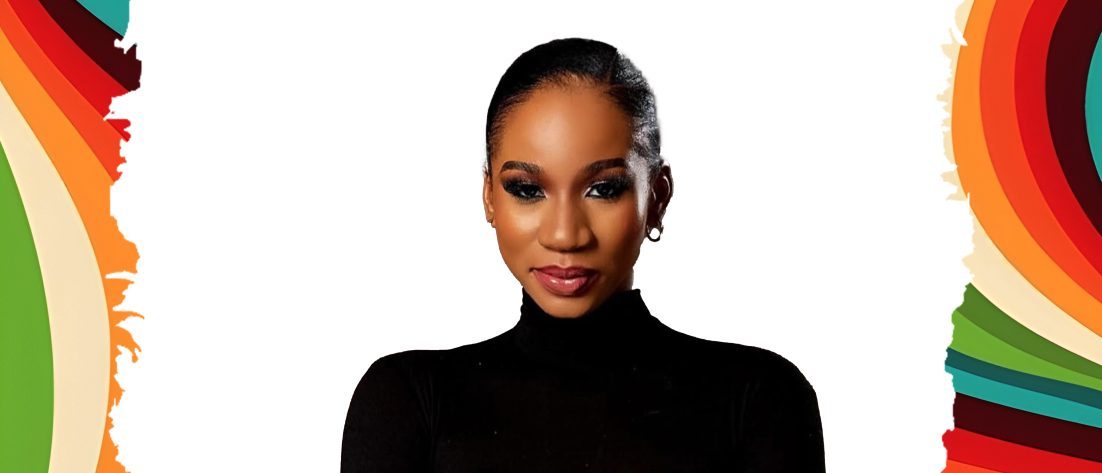
At just 14, Esther Uzodinma began noticing hair in places she didn’t expect (her chin, jawline) sparking frustration every time she shaved. It wasn’t just the hair; it was the painful bumps, burns, and dark marks that followed, along with growing embarrassment and self-consciousness. But she kept quiet until that experience became the beginning of something powerful.
Today, she’s not just the actor who plays “Angela” in My Siblings and I. She’s also a content creator, and a recognized young leader. But perhaps her most personal role is the one she plays behind the scenes as the founder of EsteBare, a grooming brand born from her own journey.
Understanding the Challenge: Hair Growth and Hormones
Excess facial or body hair, what medical experts call hirsutism, affects a notable subset of women globally. Estimates suggest that up to 15% of women experience it at a level doctors consider medically significant. For women with hormonal conditions like PCOS, this issue is even more common. Many quietly struggle with it, especially when mainstream grooming products fail to ease the physical and emotional discomfort it causes.
Esther’s Creative Pathway to a Purpose
While studying Mass Communication and working in the Nigerian entertainment space, Esther continued wrestling with the same problem, public attention trekking on stages she wasn’t ready for. The conversation she needed didn’t exist, so she began documenting her own experiences. Those posts connected her with countless others who felt unseen.
That dialogue planted the seed for EsteBare, a brand rooted in empathy and relevance, not marketing data. It prioritizes sensitive skin and recognizes that shave care for Black skin isn’t one-size-fits-all. It’s a personal solution for a shared problem.
EsteBare: Designing Care from Experience
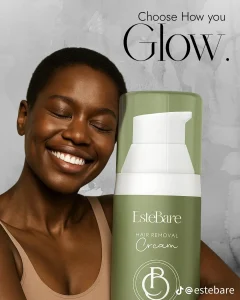
EsteBare is built to meet real needs:
– Soothing ingredients calm inflammation before and after shaving.
– Formulas support fading marks left by ingrowns or irritation.
– No harsh chemicals that worsen Black skin, especially after shaving.
By focusing on both function and skin health, Esther isn’t just selling more products, but creating connection and validation.
Estebare’s Place in an Inclusive Beauty Shift
Globally, consumers spend billions annually on beauty products. Black women influence a sizable portion of that, yet only a tiny share of beauty brands cater specifically to them or are Black-owned. EsteBare entered this space as part of a growing movement: building beauty solutions for Black skin that have always existed, even if the market ignored them.
Why EsteBare Matters
For people with PCOS, hirsutism, or coarse, curly hair types that don’t respond well to traditional shaving products, EsteBare offers something rare: understanding.
It’s a small rebellion against the one-size-fits-all grooming aisle. It’s a refusal to accept that hyperpigmentation and razor bumps are “just how it is” for Black skin. And most importantly, it’s a way of saying “your skin, your hair, your experience, deserves care that’s made for it.”
A Name, A Mission, A Mirror
What began as a challenge at 14 is now something meaningful: a beauty brand grounded in lived experience and shared humanity. Esther Uzodinma is more than a founder. She’s proof that when personal stories aren’t hidden, they can spark innovation and belonging.
While her new role as a founder takes center stage right now, Esther hasn’t stepped away from storytelling. If anything, she’s rewriting what it means to be a young Nigerian woman in the creative industry: unapologetically visible, intentional, and rooted in lived experience.
Whether she’s in front of the camera, behind it, or building something from scratch, Esther’s work has always been about giving space to what’s usually ignored. With EsteBare, she’s not just building a beauty brand, she’s building a community of people who share in the joy of having a product suited for the black skin.
What do you think of Estebare? Tell us in the comment box.