“The beauty of anti-racism is that you don’t have to pretend to be free of racism to be an anti-racist. Anti-racism is the commitment to fight racism wherever you find it, including in yourself. And it’s the only way forward.”
— Ijeoma Oluo
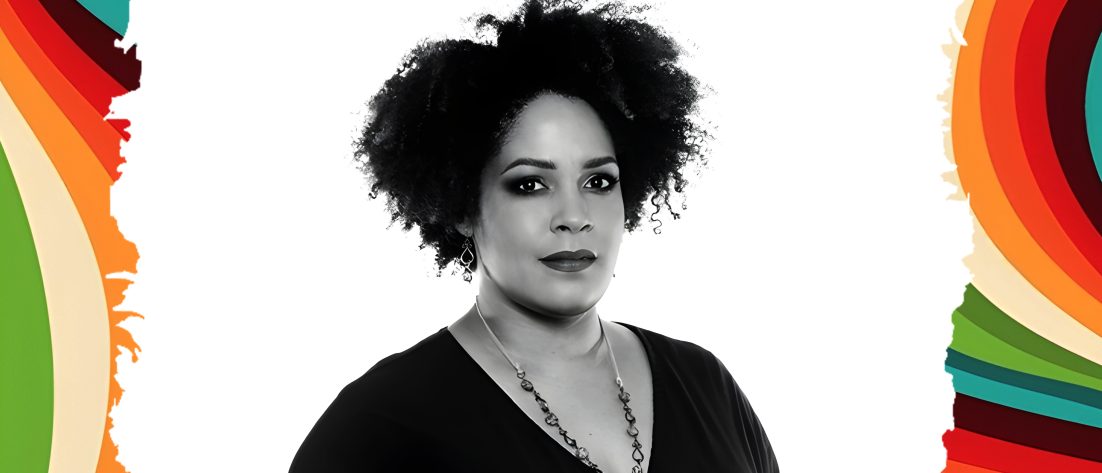
From Twitter threads to bestsellers, Oluo has emerged as one of the most vital voices of our time. Her words cut through performative allyship, sugar-coated diversity pledges, and the kind of silence that protects privilege. She speaks for the Black community. To the world. And sometimes, against the systems that seek to erase or silence us.
But who is she really and why does her voice matter so much, right now?
Who Is Ijeoma Oluo?
Born in Texas and raised in Seattle, Ijeoma Oluo is a Nigerian-American writer, speaker, and cultural commentator whose work focuses on race, feminism, privilege, and social justice. Raised by a single white mother and navigating the complexities of being a Black woman in America, her personal experiences shaped the foundation of her work: intersectional, insightful, and deeply unfiltered.
Oluo started as a food blogger. But the world changed, and she chose not to remain silent. The death of Trayvon Martin in 2012 pulled her into activism, and since then, she’s been writing like her life, and the lives of others, depend on it. Actually, they do.
Speaking Truth to Black Experience
Oluo writes what many Black people feel but often struggle to say aloud in white-dominated spaces. She gives language to the layered exhaustion of navigating racism daily. She calls out microaggressions not as “minor issues” but as the steady, suffocating reminders that safety and belonging are not freely given.
In the Black community, her voice feels like both a mirror and a megaphone, reflecting back our truths and amplifying them for the world to finally hear.
Books That Break Silence
Her 2018 book, So You Want to Talk About Race, wasn’t just a bestseller, it was a blueprint. Written in approachable yet piercing prose, it unpacked everything from white privilege to cultural appropriation to the school-to-prison pipeline. It became required reading in classrooms, book clubs, and corporations, and more importantly, in homes.
Then came Mediocre: The Dangerous Legacy of White Male America, where Oluo tackled how American society was built to elevate one group while subjugating others. It was bolder. Sharper. And somehow even more necessary.
In 2024, she followed up with Be a Revolution, a celebration of activists and changemakers at the grassroots level, proving that revolution doesn’t just come from leaders in suits but from everyday people choosing courage over comfort.
Each book peels back another layer of the system. And Oluo makes sure we’re not only looking but seeing.
More Than a Writer: A Catalyst for Change
What makes Ijeoma Oluo special isn’t just her ability to articulate racial injustice. She doesn’t write to be palatable. She writes to provoke, push, and heal.
She has spoken on some of the world’s biggest stages, appeared in The Guardian, The New York Times, Washington Post, and TIME’s “Next 100” list. But she still centers community first.
She uplifts Black organizers. She acknowledges the labor of Black women. She reminds us that real change starts from within and ripples outward.
And even when she’s angry (rightfully so), it’s a sacred kind of anger. The kind that births revolutions.
Her Work Matters Now More Than Ever
Oluo is a return to substance. She reminds us that visibility without justice is still injustice.
Black people, especially Black women, see themselves in her words. And non-Black readers are challenged to confront what they often choose to ignore.
She doesn’t offer comfort. She offers clarity. And from clarity, change can begin.
If You’ve Been Waiting for a Sign, This Is It
If you’re looking for a writer who will hold your hand through the fire, Oluo isn’t her.
She’ll hand you the torch, show you the flame, and remind you that it’s your job to keep it burning.
So read her books. Share her words. Follow her lead. And ask yourself the question Oluo constantly poses:
“What are you doing to make this world a place where Black people can breathe?”
ALSO READ: A Tale of the Young, Bold, and Ambitious Marsai Martin