From the Townships to TikTok: Amapiano’s Global Rise
What started in the early 2010s as a hybrid of deep house, kwaito, jazz, and lounge music in the townships of Gauteng, South Africa, has now taken over dance floors from Lagos to London, New York to Nairobi. This genre, with its signature log drum and soulful piano chords, is more than just a beat, it’s a cultural export.
But here’s a question we’re not asking enough: Who is behind the sound’s rise beyond the music charts and into global consciousness?
Yes, Amapiano has kings. But what if we told you that its heartbeat is female?
Amapiano’s DNA: A Quick History
The term “Amapiano” literally means “the pianos” in Zulu. The sound evolved in the mid-2010s as bedroom producers and underground DJs experimented with house music’s tempo and structure, giving birth to something richer, slower, and more hypnotic.
It was raw, deeply local, and wildly experimental.
Women in Amapiano: Not Just Dancers in the Background
Let’s dismantle the narrative before it cements: Amapiano is not a male-dominated genre with a few women sprinkled in for visual aesthetics.
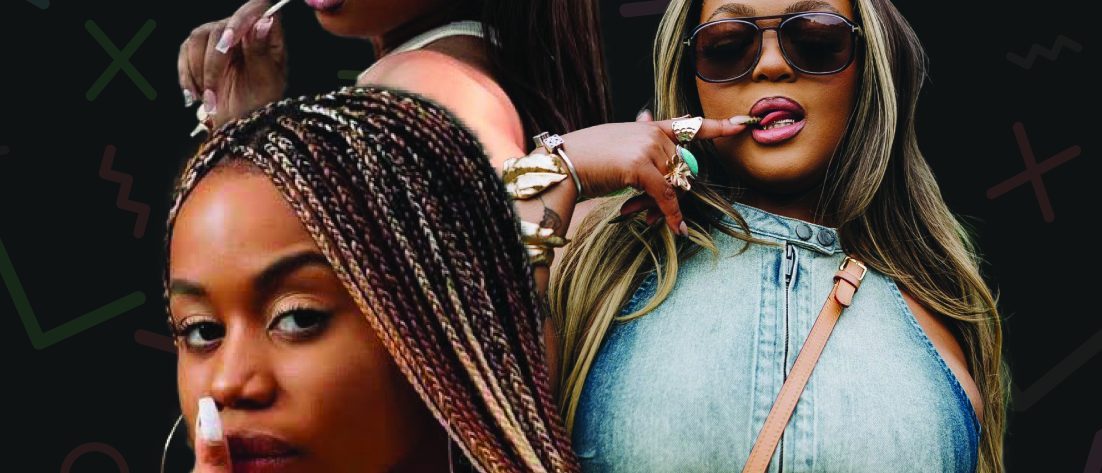
In reality, women are writing, singing, spinning, dancing, styling, and managing their way into the core of Amapiano’s legacy.
The DJs:
– DBN Gogo, one of the most streamed Amapiano DJs on Spotify, didn’t just show up, she helped define the genre’s presence on festival stages across Europe.
– Uncle Waffles, once a viral DJ sensation, is now a global ambassador of the sound, headlining international festivals, collaborating with global artists, and becoming the face of Amapiano Gen Z culture.
The Vocalists:
– Sha Sha, often referred to as “The Queen of Amapiano,” became the first Zimbabwean artist to win a BET Award (Best New International Act, 2020) for her work in the genre.
– Boohle, Nkosazana Daughter, and Pabi Cooper have each carved distinct lanes, turning studio vocals into street anthems that define youth culture in southern Africa.
The Dancers & Style Icons:
From TikTok to dance battles, female choreographers and influencers have become the true viral engine behind Amapiano’s global spread.
Women like Kamo Mphela are not only dancers but also vocalists, fashion leaders, and brand ambassadors bringing both swag and substance.
Beyond the Beat: Why the Feminine Pulse Matters
Amapiano thrives on mood and movement. It’s music that breathes. The feminine energy in the genre brings vulnerability, emotion, and fluidity, even when the beats are heavy.
It’s in the way women:
– Deliver emotionally resonant vocals that turn dance tracks into love letters,
– Build communities on social platforms through dance and collaboration,
– Run the business side of music through management and branding roles often overlooked in music culture.
And this is crucial to understand: without women, just maybe, Amapiano would not be where it is.
A Cultural Reset on South African Women’s Day
As the world celebrates South African Women’s Day on August 9, it’s worth remembering that the fight for visibility, power, and voice extends beyond politics and protest into culture and sound.
Amapiano, in many ways, mirrors South Africa itself: layered, creative, complicated, full of rhythm and still building itself.
Women have taken up space in this genre. They brought style, strategy, and sonic power. They turned moments into movements.
Let’s Talk
Which female Amapiano artist are you currently listening to on repeat? And how can the music industry do better in spotlighting African women in music?
Drop your thoughts in the comments
ALSO READ: 5 Legendary Music Collaborations That Changed the Black Community