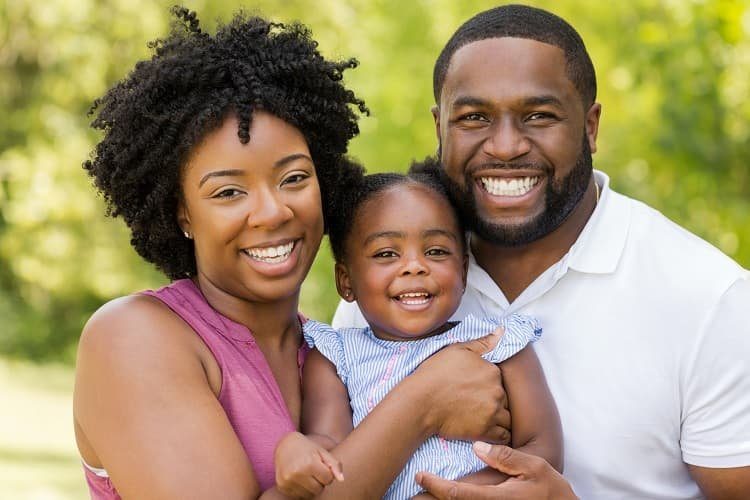
Bridging the gap between African Americans and Africans living in the United States requires a multifaceted approach that addresses the historical, cultural, and social factors that have contributed to their division. Here are some ways forward:
-
Education and Cultural Awareness: It is essential to educate both African Americans and Africans on their shared history and cultural similarities. By learning about each other’s cultures, traditions, and history, they can develop mutual respect and understanding.
-
Dialogue and Communication: Open and honest dialogue is crucial for bridging the gap between African Americans and Africans living in the United States. Both groups need to engage in conversations that address their differences, stereotypes, and misconceptions.
-
Community Building: Creating safe spaces where African Americans and Africans can connect and interact with each other is vital. Community-building events, cultural festivals, and celebrations can bring both groups together and foster a sense of belonging.
-
Advocacy and Activism: Advocacy and activism can help address the systemic issues that have created divisions between African Americans and Africans in the United States. This includes advocating for policies that address racial inequality, discrimination, and social injustices.
-
Economic Empowerment: Economic empowerment programs that provide training, resources, and support to African Americans and Africans can help bridge the gap. These programs can help both groups start and grow businesses, access employment opportunities, and build wealth.
In conclusion, bridging the gap between African Americans and Africans living in the United States requires a holistic approach that addresses their historical, cultural, and social differences. Through education, dialogue, community building, advocacy, and economic empowerment, we can work towards a more inclusive and equitable society.