Boosie’s Take: Defending Diddy’s Actions
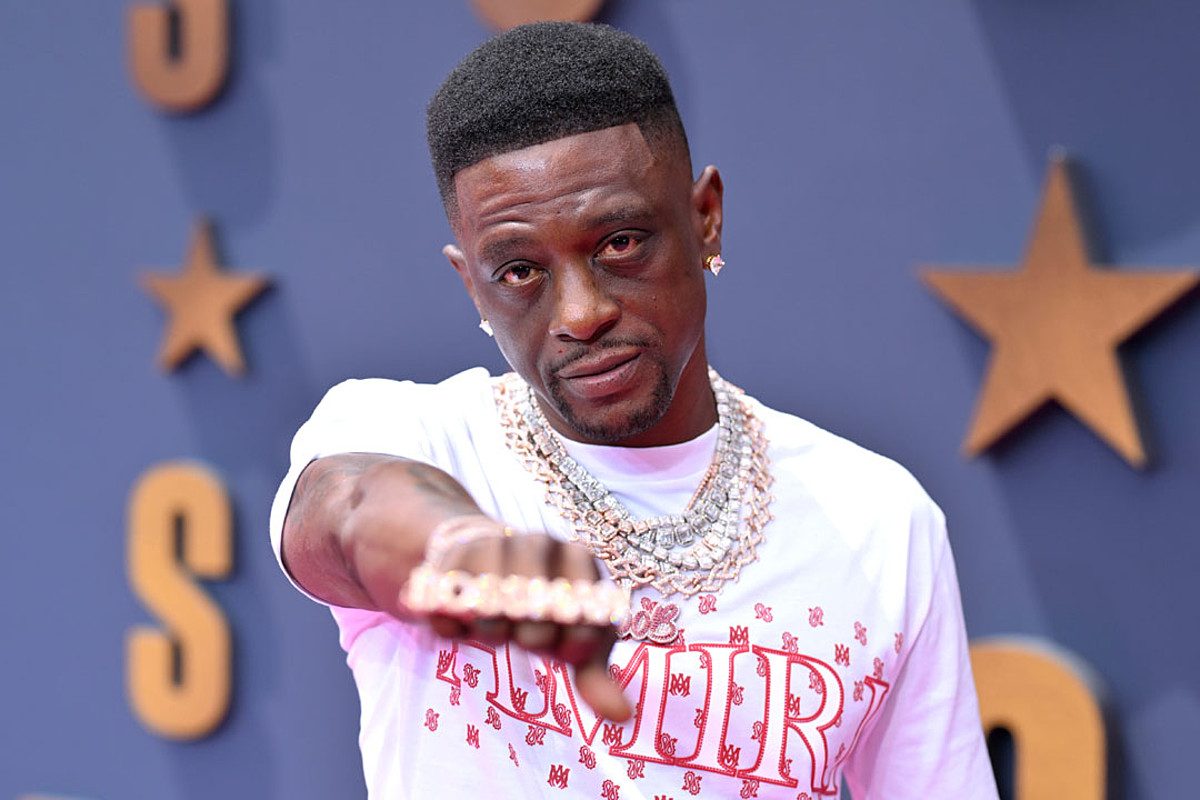
Boosie Baddazz recently sparked a heated debate with his bold defense of P. Diddy following the music mogul’s arrest, claiming that Diddy’s actions are no different from what many other entertainers do—fly women out for sexual encounters. In his tweet, Boosie questioned whether flying someone out for consensual sex should be considered trafficking or prostitution. He suggested that a large portion of women who have willingly traveled to meet celebrities would technically fit that label if Diddy’s actions are criminalized.
His stance, however, raises broader questions about celebrity culture and relationships. Boosie asserts that celebrities, due to their fame and constant movement, often resort to such practices and argues that Diddy’s “freakiness” shouldn’t be a criminal matter. According to Boosie, Diddy’s lifestyle isn’t unique in the entertainment industry, and he’s being unfairly targeted for behavior common among high-profile individuals.
Backlash: Immediate Responses to Boosie
As expected, Boosie’s comments ignited an intense reaction. Many fans and commentators disagreed with his take, viewing it as an oversimplification of the serious allegations against Diddy, which go far beyond consensual threesomes. Several comments from Twitter users paint a picture of disappointment and disbelief.
Mr. SRT (@MrSRTTT) offered a more cautious perspective, urging Boosie to wait until the full details of the case are revealed. He speculated that if the accusations involve underage girls or blackmail, Boosie might regret his defense. This comment highlights the need for restraint, given that much of the public isn’t privy to all the facts yet.
TY LE (@tylepresents) took issue with Boosie’s downplaying of the allegations, pointing out that the court documents reference much more severe accusations, including drugging and assaulting victims, and even attempted murder. TY LE calls on Boosie to recognize the gravity of the case, stressing that this situation is not merely about consensual adult encounters.
Jerome Trammel, M.B.A. (@MrJeromeTrammel) voiced a more aggressive condemnation, accusing Boosie of misunderstanding the key issues of coercion, force, and drugging. He even goes as far as to suggest that Boosie himself might be guilty of similar behavior, referencing past allegations involving Boosie’s own son and nephew. Jerome’s comment highlights the potential for moral and legal complexities that extend beyond celebrity privilege.
PREZ (@bessemerrd) recommended that Boosie take a step back from the controversy altogether, humorously suggesting that sometimes it’s best to just put down the phone and avoid stirring the pot unnecessarily. This reflects the idea that some issues, particularly sensitive legal matters, might best be handled with discretion.
Honest LeYo (@HonestLeYo) provided a balanced response, acknowledging Boosie’s right to express his opinion but emphasizing that legal matters, especially those involving criminal accusations, should be left to the experts. This viewpoint stresses the importance of deferring to the judicial process rather than making uninformed public statements.
The Bigger Picture: Is Boosie Missing the Point?
Boosie’s tweet reflects a broader issue in the entertainment industry—how stars perceive and handle accusations of misconduct. His defense seems to ignore the gravity of the claims against Diddy, focusing instead on normalizing celebrity behavior without considering the deeper issues of power dynamics, coercion, and abuse.
Critics argue that Boosie’s opinion highlights a significant misunderstanding of consent and exploitation. What’s at stake in this case isn’t whether Diddy engaged in consensual sexual encounters, but whether he coerced or harmed individuals in a way that crossed ethical and legal lines. The comparison to other entertainers—many of whom have faced their own allegations—only deepens the question of accountability in the entertainment world. Celebrities should not be immune to the same legal standards applied to ordinary people.
Celebrity Privilege and Accountability
Boosie’s comments seem to stem from a belief that celebrities, by nature of their status, operate by different rules when it comes to relationships and interactions with fans or acquaintances. He frames Diddy’s actions as part of a larger, accepted culture among famous figures, where flying women out is normalized. However, this perception ignores the nuance of the situation and the legal definitions of trafficking, coercion, and consent.
While Boosie suggests that Diddy’s arrest is unfair, the counterargument from many in the public is that fame and wealth shouldn’t exempt someone from legal responsibility. If anything, it magnifies the responsibility celebrities hold, given their influence and power over those around them. The allegations against Diddy, if proven true, reflect a systemic issue within industries that often allow influential men to exploit their power for personal gain.
Final Thoughts: Should Boosie Have Stayed Silent?
Boosie’s comments, while bold, reflect a misunderstanding of the seriousness of Diddy’s case. The backlash from the public, particularly in the form of well-reasoned responses, emphasizes that this issue is far more than a matter of consensual sex or celebrity privilege. The accusations against Diddy involve allegations of drugging, assault, and coercion, which are severe crimes under any legal framework.
As the legal process continues, Boosie may find himself defending a stance that could be difficult to maintain if more damning evidence surfaces. His comments serve as a reminder that public figures must tread carefully when commenting on sensitive matters, especially those involving legal proceedings. For now, Boosie’s tweet remains a divisive take on one of the entertainment industry’s most shocking scandals.