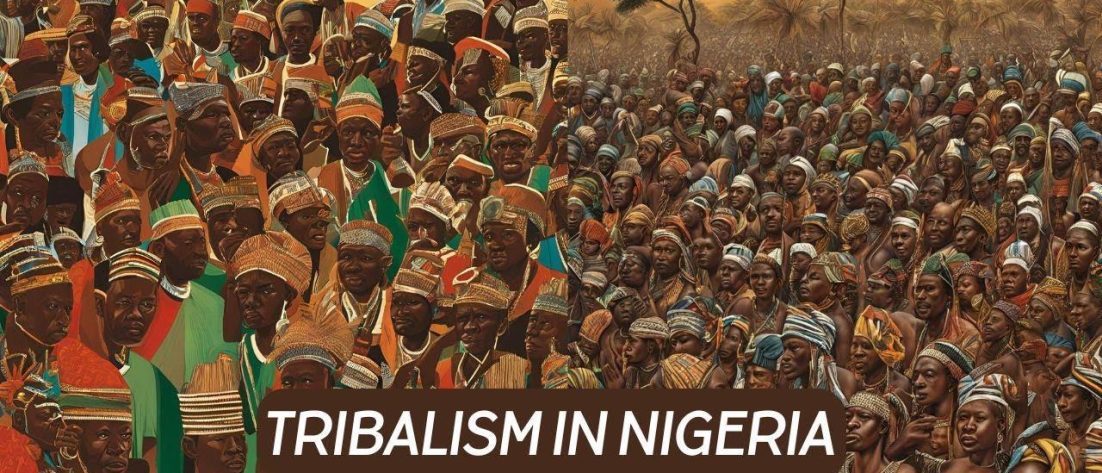
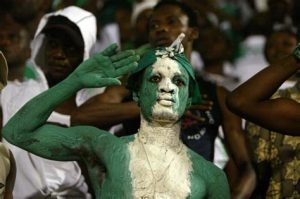
Nigeria is a country bursting with diversity. With over 250 ethnic groups — the main ones being Hausa, Igbo and Yoruba — each with its unique language, customs, and traditions, it’s easy to see why many call it the “Giant of Africa.” But this incredible diversity, while a source of strength, also comes with challenges. Tribalism — our tendency to identify more strongly with our ethnic group than with the nation as a whole — remains one of the most deeply rooted issues shaping the fabric of Nigeria.
Tribalism isn’t a new conversation. It’s one we’ve had at dinner tables, in buses, and even in the market. But it’s also one that tends to fade into the background, brought back to the forefront only during elections or moments of conflict. Why does it persist, and how can we begin to address it meaningfully?
Where It All Began
To understand tribalism in Nigeria, we need to look back. Before the colonial era, the different ethnic groups — Hausa-Fulani, Yoruba, Igbo, and so many others — had their own systems, territories, and ways of life. Each group thrived independently. Then came the colonial powers, who, in the name of convenience, lumped us all together into one nation, ignoring the differences that had kept us distinct for centuries.
When Nigeria gained independence in 1960, instead of unity, we saw competition. Political parties were formed along ethnic lines. Leaders looked out for their regions. And this legacy has followed us ever since.
How Tribalism Affects Us
We’ve all seen how tribalism plays out in everyday life. Sometimes, it’s subtle — a joke that pokes fun at another tribe or a hiring decision based on where someone comes from or not being allowed to rent a house because of a person’s tribe or even not being allowed to marry someone because of tribal differences. Other times, it’s overt, like violent clashes or exclusionary policies.
Think about our politics. How many times have you heard someone vote not based on merit but because “he’s from our side”? Or consider the economy. Certain regions are underdeveloped, not because they lack potential, but because they lack representation at the federal level. Tribalism doesn’t just divide us — it holds us back.
Can We Move Past This?
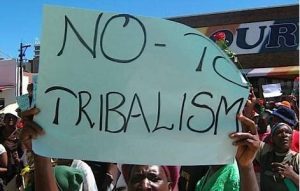
It’s easy to feel cynical, but if there’s one thing Nigerians are good at, it’s hope. We’ve seen glimpses of what a united Nigeria can look like. Young people, especially, are beginning to question why tribal identity should matter more than ability, integrity, or shared goals.
But change doesn’t happen overnight. Here’s what we can start doing:
Talk to Each Other: Real conversations—not just surface-level ones — can break down stereotypes.
Push for Meritocracy: Whether in government or the workplace, we need to reward competence over connections.
Celebrate Our Shared Stories: From Nollywood to music, there are countless examples of how our cultures intersect and enrich one another.
Let’s Keep the Conversation Going
Tribalism isn’t something we can solve in a single article or a single conversation, but it’s a conversation we need to keep having. That’s why we’ve created a podcast episode dedicated to this topic: ‘Tribalism in Nigeria’. In this episode, you’ll hear from our host and guest as they share their thoughts on this topic ‘Tribalism’.
This isn’t just about diagnosing the problem. It’s about finding real solutions and imagining a Nigeria where our differences bring us together instead of pulling us apart.
Join Us
Take a moment. Tune in. Reflect on what tribalism means to you, your community, and your vision for Nigeria.
We’d love to hear your thoughts, too. After listening, share your stories or ideas with us. Together, we can start reshaping the narrative.
Listen to the Podcast Now:
Because if there’s one thing we all want, it’s a Nigeria that works for everyone.