Have you ever stopped to wonder how the name Africa came to be?
It’s a word we all use, but its roots are not so simple. Africans didn’t name the continent. It was named by outsiders and over time, that name was shaped by stories of conquest, power, and maps that told only part of the truth.
To understand where “Africa” comes from, we have to look at a mix of language, empire, memory, and colonization.
Let’s break it down.
Who Were the Afri? The Roman Theory
One of the most accepted theories traces the name back to the Romans. After defeating the ancient Carthaginian Empire around 146 BCE, they called the conquered land “Africa Terra,” meaning land of the Afri.
But who were the Afri?
They were believed to be a Berber-speaking tribe living around modern-day Tunisia and Algeria. Some say their name came from the Berber word “Ifri,” which means cave or cave dwellers which is a reference to how some of them lived.
There’s even a town in Libya today called Yafran, still echoing that ancient root.
Other Theories: Africa as Sun, Soil, and Spirit
Of course, the Roman theory is not the only explanation.
– The Greeks had a word: “Aphrike,” meaning without cold or sunny.
– The Hebrews used “Afra,” which meant dust or soil.
– Some Afrocentric scholars believe in an ancient Egyptian origin: “Afru-ika” or “Afraka”, loosely translated as birthplace of the soul or motherland.
Some of these theories are more spiritual than linguistic, but they all remind us that Africa has always carried meaning even if the meaning shifts depending on who is speaking.
Before “Africa” Was a Continent, It Was Kingdoms

Long before the name “Africa” spread across maps, this land was home to powerful civilizations; from Kush and Axum to Mali, Great Zimbabwe, and Ife.
To them, the idea of one giant place called “Africa” didn’t exist.
People identified with their regions, empires, languages, and cultures.
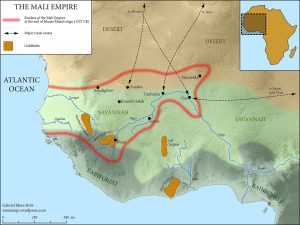
They had names for the Rivers. Names for the mountains. Names for the deserts, forests, and the lands they lived on.
But there was no single name for the entire continent.
That idea of Africa as one united land with one label came later, introduced and popularized by outsiders, like the Greeks, Romans, and later European colonizers, who needed a single term to define the land.
How Maps and Colonization Shaped “Africa”
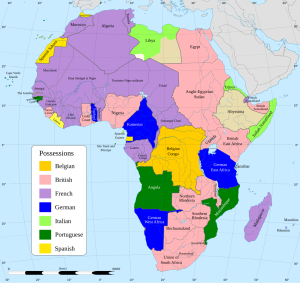
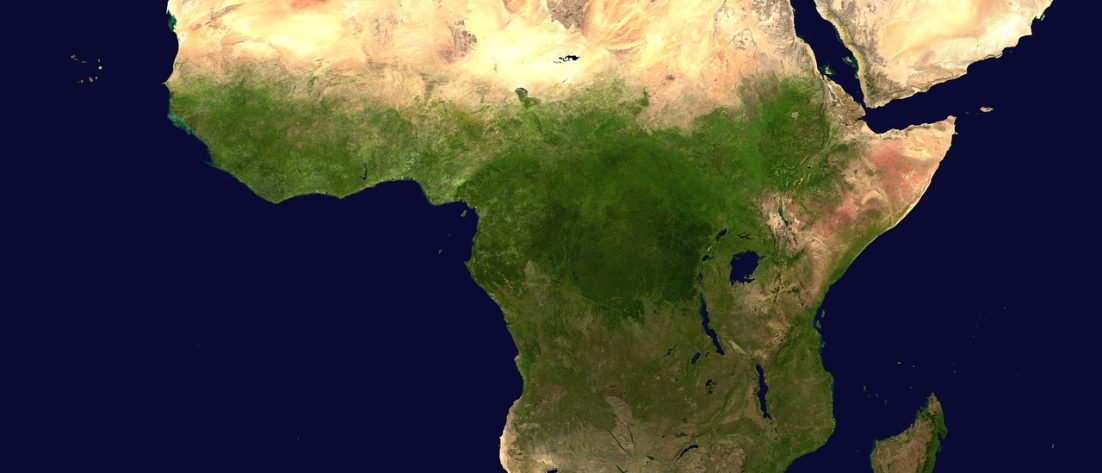
When Europeans began exploring and eventually colonizing the continent, they brought maps and with those maps came labels.
What was once a collection of diverse peoples and kingdoms became one landmass that was neatly boxed, bordered, and named.
The name “Africa” grew not because of local use, but because European powers needed a single word to describe a place they were trying to control.
And so the name became a tool used in geography, textbooks, and political speeches to group dozens of cultures under one colonial frame.
Framed, Not Just Named
The word “Africa” didn’t just label the land, it framed how the rest of the world saw it.
Europe painted Africa as “the Dark Continent” meaning unknown, uncivilized, and in need of guidance.
The name came with assumptions: that Africa was one place, with one story, and that its people were waiting to be discovered, studied, and saved.
That framing was powerful. And painful. It erased the complexity of the continent and made it easier for colonial powers to justify their rule.
But What Did Africans Call Africa?
This is where things get real. There was no single name because there was no single identity.
Ancient Ethiopians called their land “Ityopp’ya.” The Zulu people had their own name for the world around them. West African empires didn’t call themselves “African”, they used names like Manden, Oyo, or Benin.
So the idea of “Africa” is partly a European invention. A name that stuck, but not one that was born from within.
So How Did the World Actually Decide on the Name “Africa”?
Many names existed across the continent for its different regions, but no single name covered all of it until outsiders stepped in.
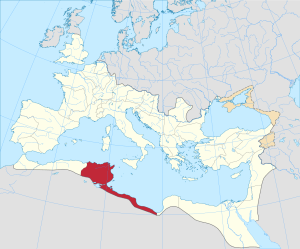
The name “Africa” comes from the Romans, who called the land around modern Tunisia Africa Terra after conquering the Afri people. This name appeared on early European maps and texts.
Later, during European colonization, powerful nations used “Africa” to label the entire continent. Because they controlled the maps, education, and history books, their choice became the official name the world uses today.
In summary, “Africa” wasn’t the only name, but it was the name chosen and spread by those with the most power to shape history.
What Does “Africa” Mean Today?
The name may not have come from Africans but its meaning today belongs to us.
It’s a name we’ve filled with music, movement, culture, fashion, food, politics, and resistance.
It’s become a space for connection and pride, even if its roots weren’t ours to begin with.
And maybe that’s the power of reclaiming it.
Final Thoughts
Names shape stories. “Africa” is a name with layers; some ancient, some colonial, some painful, and some empowering.
We may not have chosen it. But we’re choosing now what it stands for.