On the morning of September 11, 2001, the world stopped breathing. Television screens flickered with smoke rising from New York City’s Twin Towers, phones rang endlessly, and millions sat frozen, unable to believe what they were seeing. In the hours that followed, nearly 3,000 lives were lost, and countless families were shattered. Yet beyond the heartbreak and horror, something else shifted that day: the way the world understood safety, unity, and endurance.
Two decades later, 9/11 remains more than a date on the calendar. It is a marker of history, a collective scar, and a story still unfolding. To remember it is to step into the emotions of that day and reflect on the ways it changed not only America, but the entire world.
The Day the Sky Fell Silent
The morning began like any other. Workers hurried into Manhattan’s financial district, parents kissed their children goodbye, and airplanes lifted into blue skies. But at 8:46 a.m., when American Airlines Flight 11 struck the North Tower, normalcy fractured. By 10:00 a.m., both towers had collapsed, leaving behind a cloud of dust that carried sorrow across the city.
It wasn’t just a U.S. tragedy, it was a global one. News anchors around the world broke into broadcasts. In London, Paris, Lagos, Johannesburg, and Tokyo, people huddled around radios and televisions, watching in disbelief. For the first time in a long while, the world seemed united by grief.
And within that grief, heroes emerged. Firefighters, police officers, paramedics, and ordinary citizens risked and gave their lives to save others. Their courage became a symbol of endurance that endures to this day.
A Shockwave Felt Across Borders
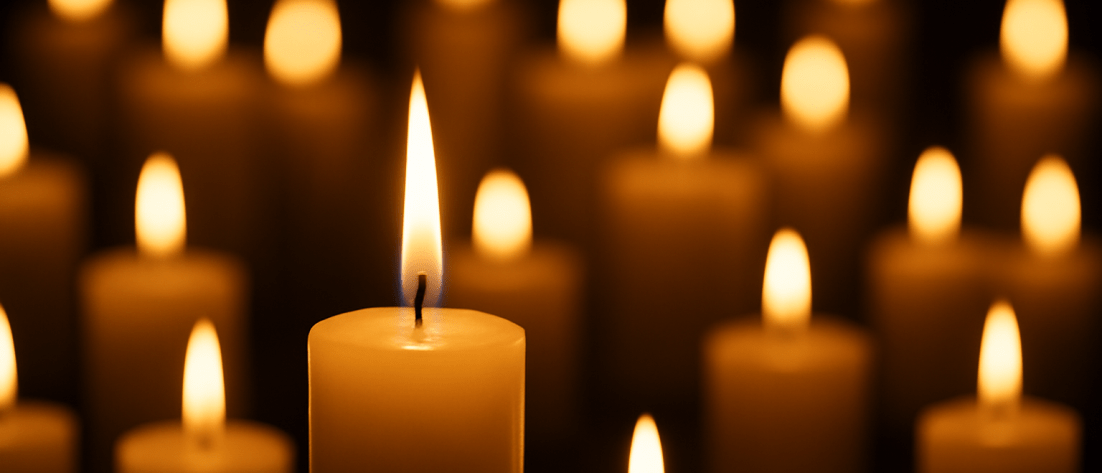
9/11 didn’t end with the collapse of the towers. It reverberated across oceans. Vigils were held in cities worldwide (thousands gathered in Trafalgar Square in London), candles burned in Nairobi, schoolchildren in Ghana prayed, and the Eiffel Tower went dark in solidarity.
But alongside the sympathy came changes that would ripple for decades. The U.S. declared a “War on Terror,” launching military campaigns in Afghanistan and Iraq that reshaped geopolitics. Airport security tightened worldwide. Suddenly, the ease of air travel was replaced by long lines, pat-downs, and heightened suspicion. Surveillance expanded, reframing privacy in ways many still debate.
Communities of color, especially Muslims, Sikhs, and immigrants, faced rising discrimination and profiling. For African and Black immigrants in America, the days after 9/11 were a confusing blend of solidarity and fear. While many joined in mourning and support, others were subjected to suspicion, their accents and skin color making them targets of misplaced anger.
A Shift in Culture and Everyday Life
Beyond politics, 9/11 etched itself into culture. Movies, music, and literature began to carry tones of patriotism, grief, and searching. Films like United 93 and World Trade Center told stories of loss and bravery. Bruce Springsteen’s album The Rising became an anthem of healing.
Even fashion felt the tremors. Patriotism influenced colors and symbols on clothing; muted tones and military-inspired designs appeared on runways, mirroring the nation’s somber mood.
Children who grew up in the shadow of 9/11 (the “9/11 generation”) carried its memory in school lessons, memorial visits, and family stories. Now adults, they form a generation shaped by loss, but also by endurance.
Endurance, Memory, and the Human Spirit
To talk about 9/11 is to talk about pain, but it is also to talk about endurance. Survivors rebuilt their lives, families of victims created foundations in their loved ones’ names, and the 9/11 Memorial now stands as both a place of mourning and of strength.
Each year, bells toll at Ground Zero, and names are read aloud, names that remind us these were not just numbers, but mothers, fathers, children, friends. Across the world, people still pause to reflect, not because time hasn’t moved on, but because memory is not so easily erased.
There is also a lesson in unity. In those days after 9/11, strangers helped strangers, communities opened their doors, and the world, if only for a moment, remembered its shared humanity.
What 9/11 Teaches Us Today
Twenty-plus years later, the question lingers: what should we carry from that day?
Perhaps it is the reminder that life can change in an instant. Perhaps it is the call to hold our loved ones closer. Or perhaps it is the challenge to resist division and fear, and instead nurture the compassion that carried so many through the days that followed.
Though the skyline of New York was scarred, the human spirit was not broken. To remember 9/11 is not just to mourn, it is to recommit to the values of unity, endurance, and humanity that define us all.
As we remember the lives lost and the world forever changed, we invite you to share your reflections. What lessons from 9/11 do you carry with you today? Join the conversation in the comments and keep the memory alive.
ALSO READ: Then vs Now: Why Juneteenth Is More Than Just Freedom