
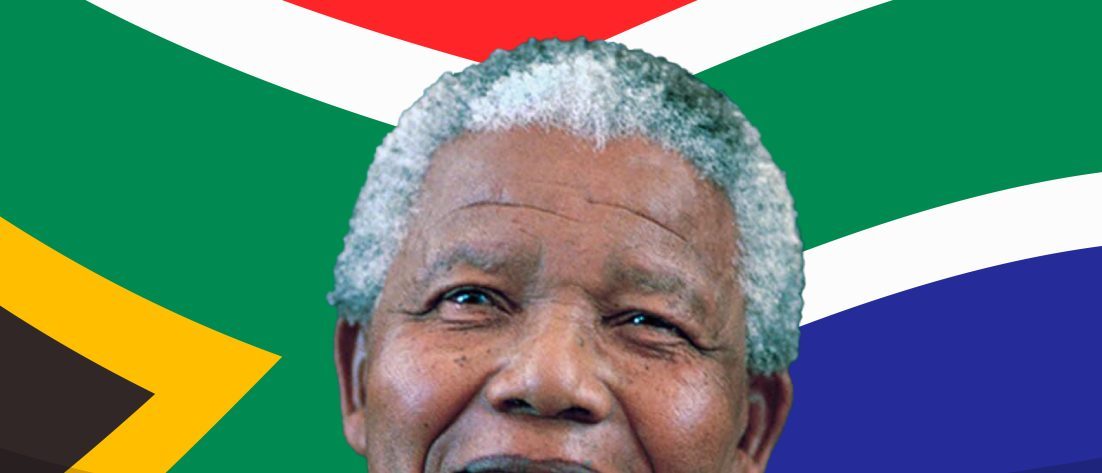
What if we told you Nelson Mandela died in prison in the 1980s?
You might pause, maybe even nod in agreement. And yet, that memory is false.
Nelson Mandela was released from prison in 1990 after 27 years behind bars. He went on to become South Africa’s first Black president in 1994, leading the country through one of its most profound transformations from apartheid to democracy.
Still, a large number of people, from different parts of the world, vividly remember hearing of his death decades earlier. Some even recall news reports, public mourning, and televised funerals that never actually happened.
This strange collective misremembering gave rise to what is now called the Mandela Effect, a bizarre yet fascinating psychological phenomenon named (ironically) after a man whose life was all about clarity, truth, and resistance to erasure.
So on Nelson Mandela International Day, we’re not just reflecting on his legacy. We’re also interrogating how this global “memory glitch” became a cultural symbol and what it tells us about our minds, our media, and how we remember Black history.
What is the Mandela Effect?
The Mandela Effect is what happens when a large group of people remember something inaccurately but with full confidence that it’s true. It’s not about one person being mistaken; it’s about many unrelated people sharing the same incorrect memory.
The term was coined by Fiona Broome, a paranormal researcher, who discovered during a conference in 2009 that she and several others distinctly remembered Nelson Mandela dying in prison in the 1980s. To her surprise, she found dozens of strangers online who shared the exact same false memory.
Since then, the Mandela Effect has grown into a popular cultural concept, especially on the internet. People started sharing examples like:
– The Berenstein Bears (when it’s actually Berenstain Bears)
– “Luke, I am your father” (a misquote; the line is “No, I am your father”)
– The Monopoly Man having a monocle (he never did)
– Pikachu’s tail having a black tip (nope, it’s all yellow)
But the most iconic case, and the one that birthed the term, remains Nelson Mandela.
Why Did So Many Think Mandela Died in Prison?
So why did people believe Mandela died before his time?
There are several likely reasons:
1. Media Confusion in the 1980s
During the apartheid era, international media coverage of South Africa was often vague, fragmented, or sensational. Many anti-apartheid leaders were jailed, tortured, or killed, so it wasn’t far-fetched to assume Mandela had met the same fate.
2. Apartheid-Related Deaths
Several lesser-known activists did die in detention, such as Steve Biko. Over time, the trauma of apartheid blended many names into one, especially for those outside South Africa who didn’t have access to accurate information.
3. Mass Media Errors and Urban Legends
False news reports, misremembered documentaries, and fictional depictions in TV or movies could have planted false memories. When those images are replayed enough, they can feel as real as facts.
4. Memory Reconstruction and Social Reinforcement
Human memory is not a perfect recording. It’s reconstructive, meaning our minds fill in blanks, reinterpret information, and are heavily influenced by others’ recollections. If several people around you insist something happened, you’re more likely to believe it too, even if it didn’t.
The Power of Memory and the Problem of Forgetting
The Mandela Effect is more than a quirky internet phenomenon. It raises serious questions about how we collectively remember Black history and how easily it can be distorted, erased, or romanticized.
We remember Nelson Mandela as a global icon of peace and reconciliation. But how often do we discuss the fact that:
– He was once labeled a terrorist by Western governments.
– He was unapologetically revolutionary, co-founding the militant Umkhonto we Sizwe (Spear of the Nation).
– He was not a perfect leader and often wrestled with political compromises during his presidency.
– He spent nearly three decades in brutal prison conditions, separated from his family and tortured for his ideals.
When we reduce him to a single image (the smiling elder statesman in a patterned shirt) we risk flattening his legacy. We forget the radical roots that birthed the change we now celebrate. We forget that Mandela was human: deeply flawed, deeply resilient, and deeply committed.
Mandela Day and the Need for Accurate Remembering
Nelson Mandela International Day, marked every July 18th (his birthday), was created not to worship the man but to encourage everyone to continue his fight for justice and humanity. The global campaign encourages 67 minutes of service to reflect Mandela’s 67 years of activism.
This day is not about myth or memory glitches. It’s about truth, context, and active responsibility.
To truly honor Mandela, we must:
– Go beyond quotes and filtered photos.
– Understand the full story of his life and the brutal system he fought against.
– Protect Black history from distortion, oversimplification, and digital-era forgetfulness.
It’s also a call for media literacy, especially in a time when misinformation spreads faster than ever. If our memories can be manipulated, we must be vigilant about what we consume, share, and teach.
The Real Mandela Deserves to Be Remembered
The Mandela Effect may show how easily we forget, but Mandela Day reminds us of why we must remember.
On this day, let’s do more than just post tributes. Let’s reflect on the real man behind the name and the many forgotten voices he stood beside. Let’s challenge myths, confront miseducation, and commit to preserving the truth.
What does Mandela mean to you?
Share your thoughts in the comment box.
[…] ALSO READ: Mandela Day and the Mandela Effect: What a Memory Glitch Reveals About Legacy, Truth, and How We Rem… […]