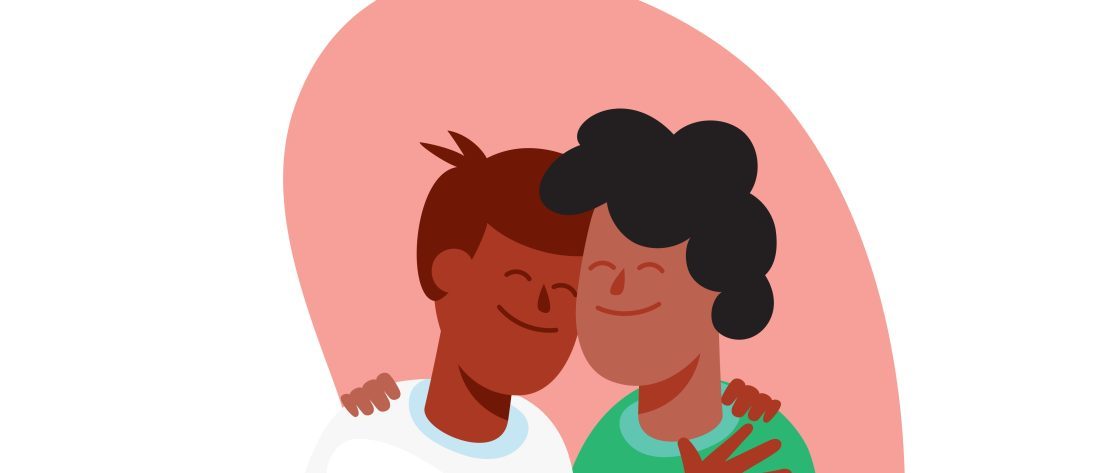
Every 40 seconds, somewhere in the world, someone dies by suicide. That is nearly 800,000 lives lost every year according to the World Health Organization. Behind those numbers are faces, families, dreams, pains, and untold challenges. Suicide isn’t something that happens “somewhere else.” It’s closer than we think. It’s the colleague who has grown unusually quiet, the friend who suddenly seems distant, the course mate who suddenly began skipping classes, or the relative whose laughter feels forced.
Suicide Prevention Day is more than just a date on the calendar neither is it something to trivialise. It’s a reminder that there’s someone somewhere going through a life-threatening challenge and is staggering between life and death. It’s a reminder that thousands of people have lost their lives by suicide and there are many more on the brink of doing the same. And when we choose to listen, learn, and show compassion, we become part of the lifeline that keeps hope alive.
Suicide Doesn’t Just Happen Suddenly
There’s something we need to acknowledge: suicide doesn’t happen all of a sudden. It is rarely one single event that tips someone over the edge. Instead, it’s usually a buildup of pain, disappointments, and struggles, layer upon layer, until the person feels they cannot carry it anymore.
For many, depression is at the heart of this buildup. Depression can make life feel like a constant battle in a heavy fog. This is such a stressful situation to be in. And while we often hear the advice, “If you’re depressed, talk to someone,” the reality is not so simple.
When you’re in that dark place, the last thing you want to do is talk. You don’t have the energy. You don’t feel like being around people. And even when you finally muster the courage to open up, you risk being met with judgment or advice that misses the point. Phrases like “Just cheer up,” “Others have it worse,” or “Pray about it” can leave someone feeling even more misunderstood. The result? They retreat back into silence, more exhausted than before.
That’s why we must recognize that while depression is a major cause of suicide, it is not the only one. Trauma, grief, loneliness, financial stress, abuse, chronic illness, all of these can quietly pile up too.
Signs to Notice in Someone Who May Be Struggling
Because suicide is the end of a long, invisible struggle, noticing the signs early is crucial. They’re not always obvious, but here are some common ones:
– Withdrawal and isolation: Pulling away from friends, family, or activities they once loved.
– Sudden mood changes: Deep sadness, irritability, or, sometimes most alarming, an unusual calm after a period of turmoil (which can signal a decision to act).
– Hopelessness: Expressions like “I can’t do this anymore” or “What’s the point?” should never be ignored.
– Final gestures: Giving away possessions, writing goodbye notes, or saying things that sound like farewells.
– Changes in daily patterns: Difficulty sleeping, oversleeping, drastic changes in appetite, or loss of interest in anything.
– Risky behavior: Increased use of alcohol or drugs, reckless driving, or dangerous decisions.
One sign alone doesn’t always mean someone is suicidal, but taken together, they are signals that someone is in pain and needs help.
From the Place of the Depressed/Suicidal
So how do you even begin to express what you’re going through when you feel this way?
That’s the painful part, sometimes you can’t. Depression doesn’t always have words. It feels like carrying a heavy weight that you don’t know how to describe. For some people, the bravest thing they can say is: “I’m not okay right now.” For others, writing it down in a journal or a message is easier than speaking out loud.
But silence often feels safer because you don’t want to be judged, misunderstood, or handed unhelpful advice. And that’s why so many people stay quiet, even when they’re breaking inside.
From the Place of the Helper
If you are on the other side, someone trying to help, a big question arises: How do you actually support a person through depression or suicidal thoughts?
The instinct is to fix things, to say something that will make the pain disappear. But depression isn’t fixed with quick words. What helps most is presence.
– Start with presence, not solutions. Sit with them, even in silence. Sometimes silence shared is more healing than words.
– Avoid clichés. Don’t say, “It’s not that bad,” or “Others have it worse.” Pain is pain. Comparing it diminishes their experience.
– Tailor your support. Understand the root of their struggle. If it’s financial stress, advice about “being grateful” won’t help. If it’s grief, telling them to “move on” only wounds deeper. The support has to match the pain.
– Ask, don’t assume. Instead of guessing, ask: “How can I be here for you?” They may not know right away, but the question itself shows you care.
– Stay consistent and be patient. Don’t disappear after one check-in. Healing is not overnight. Keep showing up.
What NOT to Say to Someone Struggling
Sometimes, even well-meaning words can cause harm. Here are things that should be avoided if you’re talking to someone going through depression or suicidal thoughts:
“Just snap out of it.” — Mental illness isn’t a switch you can flip.
“You’re being dramatic.” — Their pain is real, even if you don’t understand it.
“Others have it worse.” — Suffering is not a competition.
“Don’t be so selfish.” — This only adds guilt to someone already drowning in it.
“It’s all in your head.” — Mental health struggles are as real as physical ones.
“Pray harder” (without listening). — Faith can be comforting, but dismissing someone’s pain with a command to “pray it away” often deepens the hurt.
Instead, offer compassion, patience, and listening ears. Sometimes, the best thing you can say is: “I’m here with you.”
Choosing Life & Creating Safe Spaces
Beyond individual moments of support, we have to ask ourselves: are we creating environments where people feel safe enough to say, “I’m not okay”?
At work, are we normalizing conversations about mental health, or shaming people into silence?
At home, are we teaching children that their emotions matter?
Among friends, are we allowing vulnerability, or are we only comfortable with curated perfection?
The more we normalize these conversations, the more lives we can save. Stigma thrives in silence, but healing thrives in safe spaces.
Every Life Matters
Suicide is not just a statistic, it is a heartbreak that ripples through families, communities, and generations. But it is also preventable. With awareness, patience, and compassion, we can stand between despair and hope for someone we love.
Check on your friends. Ask the uncomfortable questions. Offer a listening ear without judgment. Create safe spaces. And remember: sometimes, the smallest gesture, a knock on the door, a late-night call, a message that simply says “I’m here”, can be the reason someone chooses life.
Because every life matters. And suicide should never be the end of the story.
Your voice matters. Your presence matters. Together, we can prevent suicide. Share this article, check in on a friend today, and let’s keep hope alive.