Oyebanji Akins recently shared his thoughts on the highly anticipated historical drama Lisabi: The Uprising, directed by Niyi Akinmolayan. While the film has been lauded for its rich portrayal of Yoruba history, Akins offers a balanced critique, highlighting both its achievements and its shortcomings.
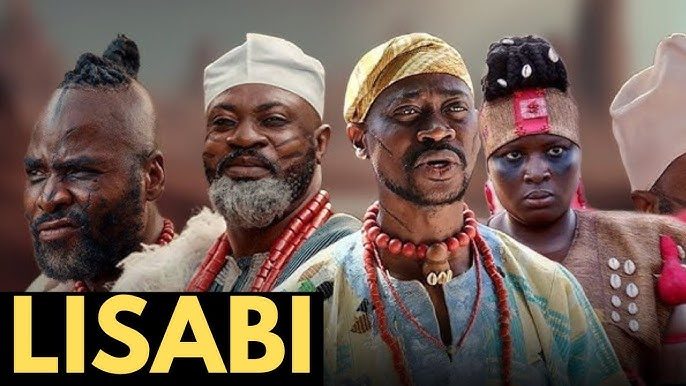
The movie Lisabi: The Uprising directed by Niyi Akinmolayan and streaming on Netflix, tells the story of a celebrated Yoruba hero, Lisabi, and his fight to liberate the Egba people from the Oyo Empire’s oppression. The film has garnered mixed reviews, with some praising its historical value while others note certain shortcomings.
One of the main criticisms shared by many, including Oyebanji Akins, is the casting. While the lead actor, Lateef Adedimeji, delivers a solid performance portraying Lisabi’s transformation from a simple farmer to a revolutionary leader, the authenticity of the Egba language and culture is sometimes lost. This resonates with Akins’ critique, as he questions why the filmmakers did not cast someone who could fully embody the essence of the character, particularly in their command of the Egba dialect. Given the film’s cultural significance, this would have enriched its connection to the people of Ogun State, especially Abeokuta, where Lisabi is a historical figure of great importance.
Check out Oyebanji Akins Review of the movie on X below
Recently, AI has made it harder for people to value real information, making people seem lazy. However, watching 'Lisàbí: The Uprising' brought back some old village memories and reignited the history of Abeokuta, formerly known as Egba. One key reason it’s called Abeokuta is… pic.twitter.com/aEVVCVIua5
— Oyebanji Akins (@Oyebanji_akins) October 3, 2024
The film’s cinematography, set design, and costuming have been widely praised for their attention to historical detail, successfully recreating the 18th-century atmosphere of Yorubaland. This has been acknowledged as one of the standout elements, bringing a sense of authenticity to the visual storytelling. However, Akins’ concerns about the use of cartoonish effects are valid. While Nollywood is making strides in technical advancements, the attempt to blend CGI with live-action often feels jarring, detracting from the otherwise immersive experience.
Akinmolayan’s exploration of the Egba community’s resilience and unity is one of the film’s strongest themes, but the pacing and narrative structure leave much to be desired. As Akins noted, the first half of the movie raises questions about the storyline, with subplots meandering without resolution. The sudden shift to action-packed scenes and the eventual uprising felt rushed, leaving the evolution of Lisabi’s character underdeveloped. This uneven pacing makes it hard for viewers to fully engage with the protagonist’s journey.
Moreover, the film touches on themes such as power, unity, and oppression, but its treatment of female characters leaves room for improvement. Strong characters like Abebi, played by Roseline Afiji, are introduced but not explored in-depth, which limits the emotional weight of their roles in the rebellion.
In conclusion, Lisabi: The Uprising is a commendable step forward for Nollywood, particularly in its effort to showcase Nigeria’s rich history. While the film succeeds in many technical aspects and offers a compelling story, it is held back by issues with casting, pacing, and the use of effects. As Akins suggests, the film’s creators could benefit from learning from the works of directors like Kunle Afolayan, who have mastered the art of balancing historical authenticity with captivating storytelling. With these improvements, future installments of Lisabi have the potential to elevate Nigerian cinema further.
______________________________________
Oyebanji Akins, also known as O’fresh, is a Nigerian-born, US-based social media influencer, entrepreneur, writer, DJ, podcast host, and pop culture commentator.